
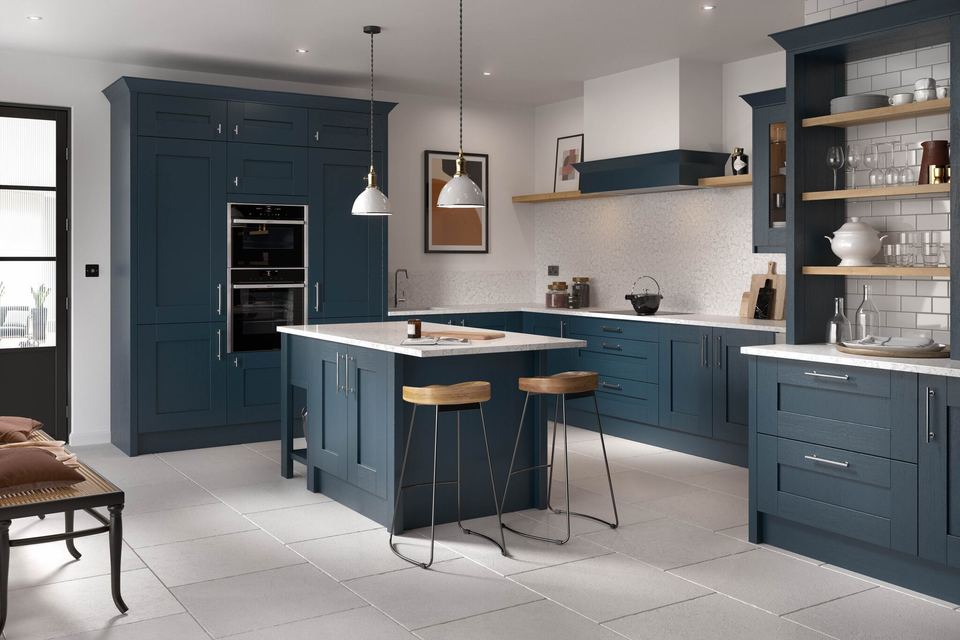
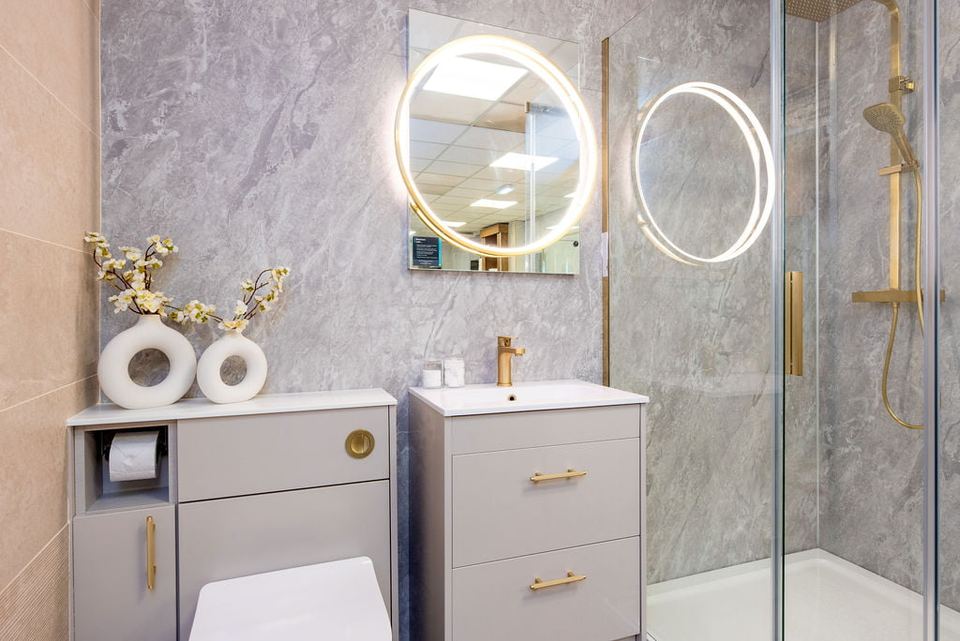
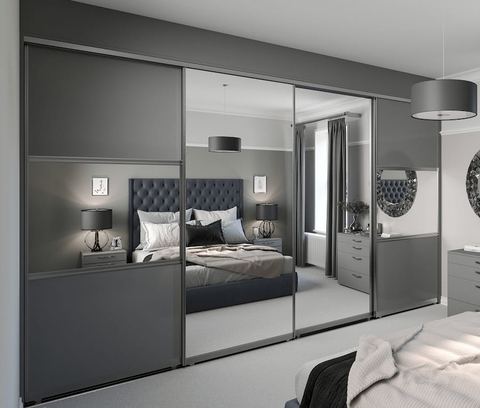
Three rooms, one roof
Start with the room you’re dreaming about: kitchens, bathrooms and bedrooms, all on display, plus a tile collection that’s the talk of Preston. Every display is here to be touched, opened and tried before you commit to anything.
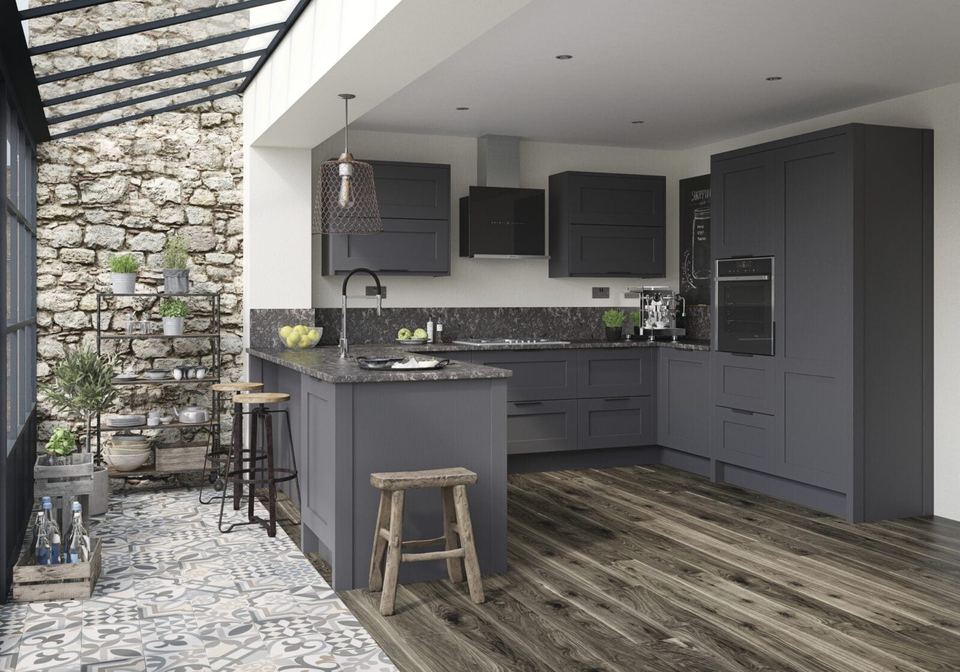
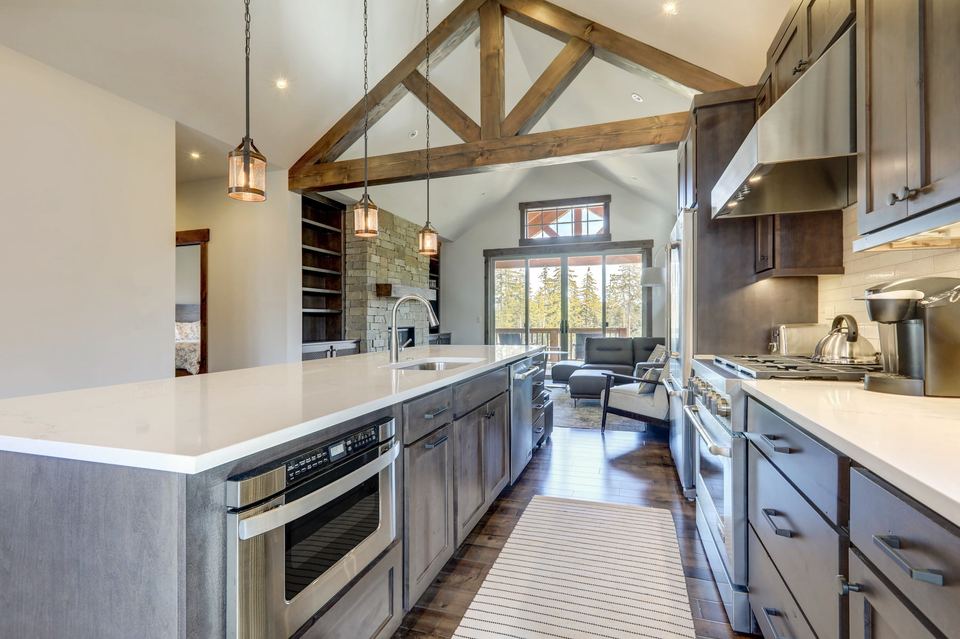
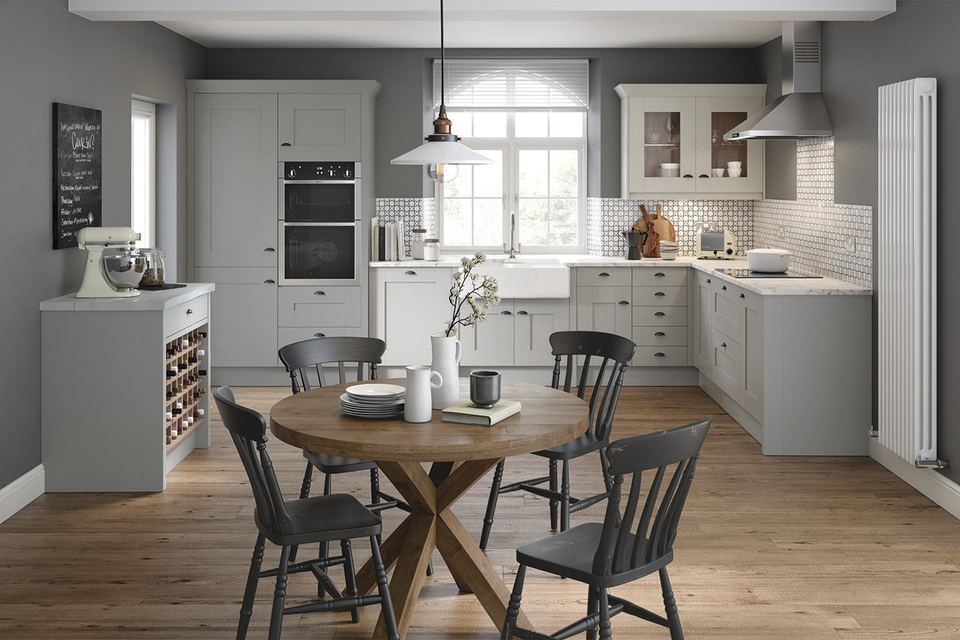
The heart of the home, done properly
Traditional or contemporary, compact galley or grand island, designed around how you actually cook and live. Supply only, or our five-star in-house installation.
Browse Kitchens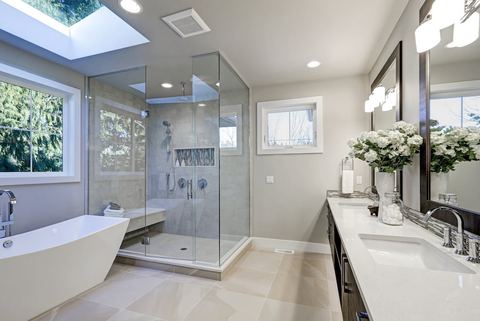
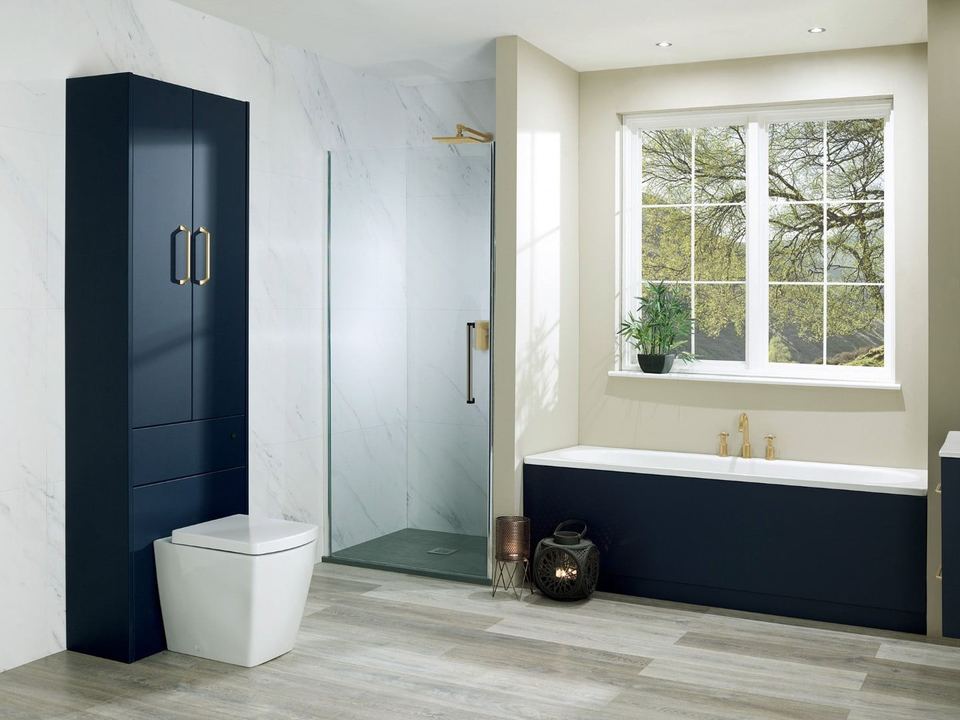
Bathrooms
From compact cloakrooms to spa-like ensuites: value, style and quality, fitted by craftsmen or supplied for your own installer.
Explore bathrooms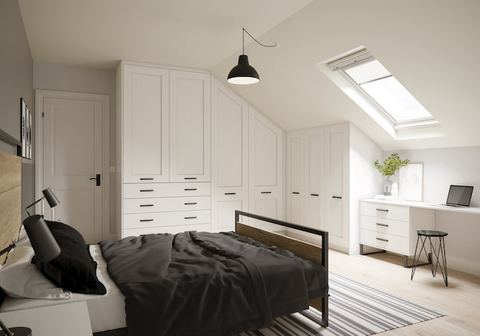
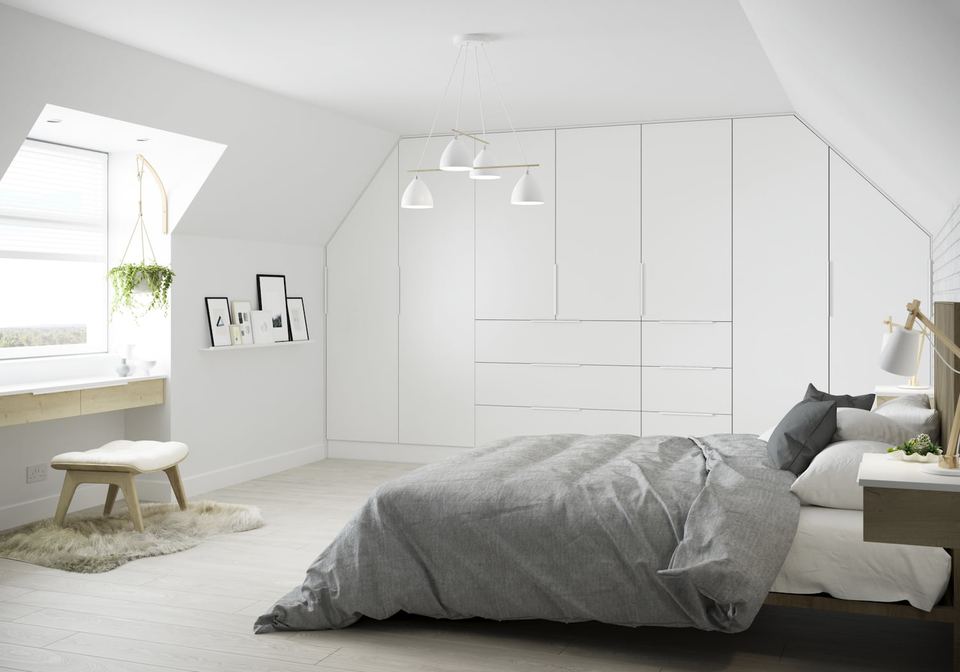
Bedrooms
Fitted and freestanding furniture from a dedicated design team, built to match your space and your storage down to the centimetre.
Explore bedrooms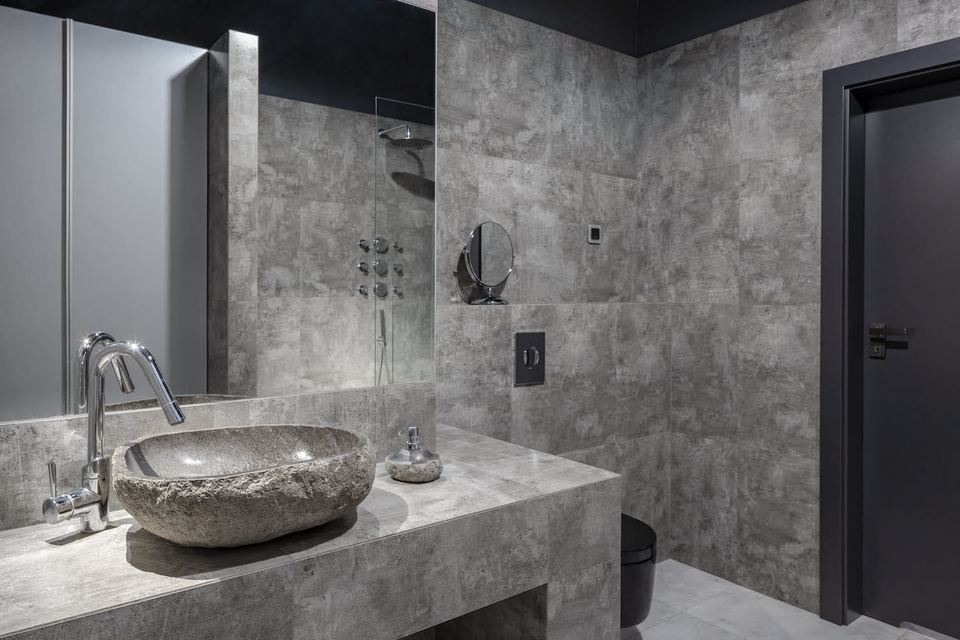
Tiles
Over 6,000 m² in stock and hundreds more ranges on display: wall, floor, porcelain and natural stone. The choice is genuinely staggering.
Explore tiles“Great showroom, great team of fitters, no mess and completed on time. My bathroom has been totally transformed.”
“Absolutely love my new wet room planned meticulously by Joe. Outstanding service and exceptional workmanship, will definitely use their services again.”
“Gary from Homematas did our new build kitchen and hallway floor tiling. He did an amazing job and was a pleasure to have around. It was so good that we didn't hesitate to have him back to do our conservatory too.”
For trades, by genuine tradesmen
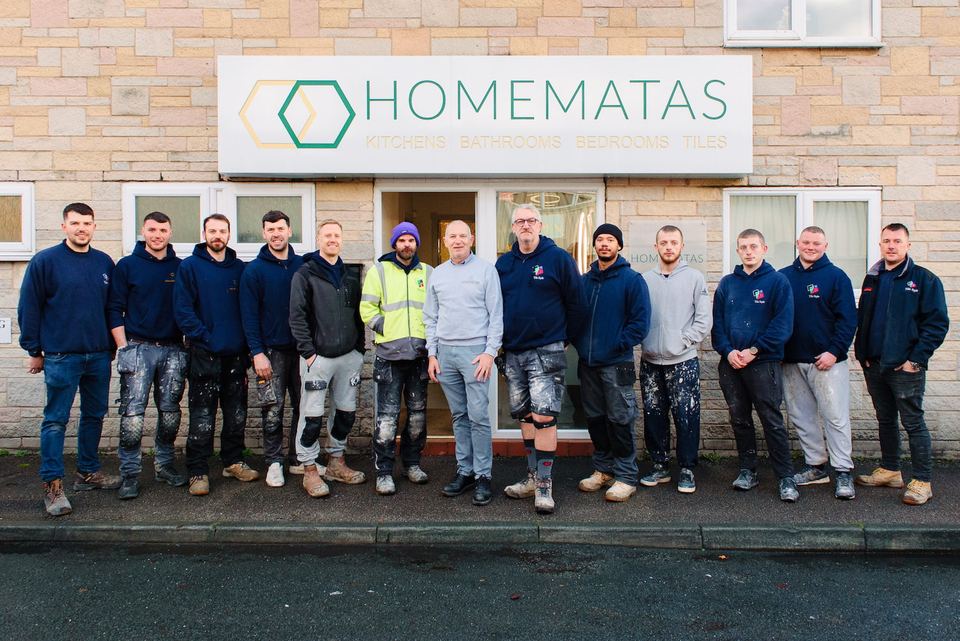
We’ve fitted kitchens, bathrooms and bedrooms ourselves for over 30 years, so we know what you need on site. Trade pricing, reliable local stock and one account across all rooms, all delivered from people who’ve done the graft, not a call centre.
Open a trade accountFrom first visit to finished room
Visit for inspiration
Come in and browse at your own pace, no appointment needed.
Let’s design
Sit with a designer who plans the room around how you live.
The price is right
An honest, itemised quote, with no hard sell and no jargon.
Time to install
Our own fitters bring it to life, one team, start to finish.
A family business, not a showroom chain
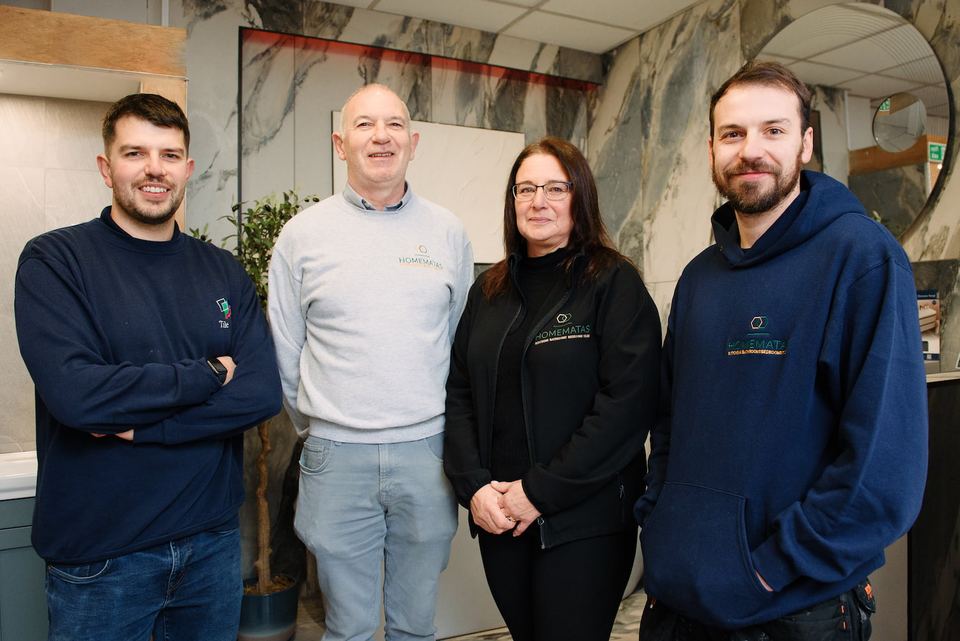
Homematas is a cherished, family-run and independent showroom led by Brendan and our exceptional team. We’re relaxed, friendly and genuinely helpful, whether you’re a retail customer, a commercial client or a trade professional.
Your home is your castle, and the kitchen is its beating heart. We believe every room should be designed to be as inspiring and beautiful as it is practical, and we’ll be alongside you from the first sketch to the final tile.
Come and see it for yourself
7,700 sq ft of kitchens, bathrooms, bedrooms and tiles, all under one roof, with free parking right outside. No appointment needed.
- Where
- Dewhurst Row, Bamber Bridge, Preston PR5 6BB
- When
- Mon–Fri 7:30–5 · Sat 9–5 · Sun closed
- Call
- 01772 311113
Book your free design visit
No pressure, no obligation, just good advice. Sit with a designer and leave with a plan.
Book a design visit