
 Special Offers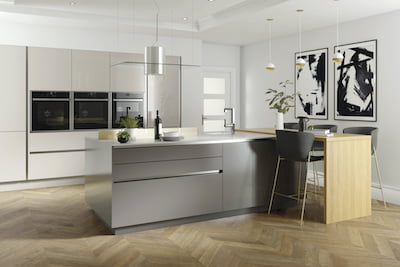

Kitchen islands have become a defining feature of modern kitchen design. When thoughtfully planned, they provide additional worktop space, add storage, or even provide seating. If you are planning a kitchen renovation or redesign, you might be wondering about the different ways to use a kitchen island, and how this can add value to your home. If so, this is the guide for you.
A dedicated food preparation area
One of the most common uses for a kitchen island is as a food preparation space. By placing a generous work surface in the centre of the room, you create a convenient area where you can chop vegetables, mix ingredients, and assemble meals.
This arrangement can be particularly useful if your main countertops are already occupied by appliances or limited in size. With an island, you can spread out comfortably and keep your workflow organised. Many homeowners also choose durable materials such as quartz, granite, or solid wood for island worktops to ensure they stand up to daily use.
If you enjoy cooking with others, an island prep area also allows family members or guests to help without crowding the main cooking zone.
An informal dining space
A kitchen island can easily double as a casual dining area. By extending the worktop slightly and adding comfortable stools, you create a relaxed spot for breakfast, quick lunches, or evening snacks.
This approach works particularly well in open-plan homes where the kitchen flows into the living or dining space. Instead of moving to a formal dining table for every meal, you can use the island for everyday dining.
When designing an island for seating, it is important to allow enough overhang for legroom and sufficient space between stools so that everyone can sit comfortably.
A cooking station
If you want your island to play a central role in cooking, you can install a hob or cooktop directly into the work surface. This allows you to face the room while preparing meals rather than turning your back to guests or family members.
A cooking island often becomes a focal point of the kitchen. It can also improve the flow of the room by separating the cooking area from the main perimeter counters.
However, you will need to plan carefully for ventilation and safety. Many designs include a ceiling-mounted extractor hood or a downdraft ventilation system to manage steam and cooking odours effectively.
Extra storage
Storage is one of the most practical benefits of a kitchen island. Cabinets, drawers, and shelving built into the island can significantly increase the amount of space available for cookware, utensils, and pantry items.
You might choose deep drawers for pots and pans, pull-out shelves for small appliances, or specialised compartments for recycling bins. Some homeowners even incorporate open shelving to display cookbooks or decorative kitchenware.
By moving storage into the island, you can free up wall space elsewhere in the kitchen and maintain a cleaner, more streamlined design.
A social hub
In many homes, the kitchen naturally becomes a gathering place. A kitchen island can strengthen this role by acting as a central hub where people can sit, chat, and spend time together.
While you prepare food, friends or family members can sit at the island and keep you company. Children may use it for homework or crafts while meals are being prepared. This arrangement encourages interaction without disrupting the cooking process.
If socialising is a priority, consider designing the island with seating on one side and preparation space on the other. This creates a natural divide between working and relaxing areas.
Making the most of your kitchen island
When you plan a kitchen island, it is important to think about how you use your kitchen every day. Whether you prioritise cooking, entertaining, storage, or dining, the island should support your lifestyle rather than simply filling space.
For more information or advice, get in touch with the team today, here at Homematas. We are the number one choice for kitchens in Preston and you can take a look at our range in our Preston kitchens showroom, or online today?