
 Special Offers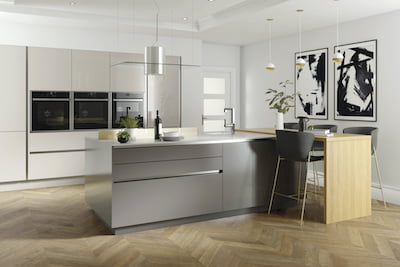


When planning a new kitchen, getting the layout right is one of the most important decisions you’ll make. A well-designed layout makes cooking easier, improves storage, and creates a space that feels comfortable and enjoyable to use. If you’re wondering how to design a kitchen layout, the best place to start is by understanding the different layout options and where each one works best. Whether your kitchen is large, small, narrow, or open-plan, there’s a layout that can make the most of your space.
Understanding the basics of kitchen layouts
Before looking at specific layouts, it helps to understand the idea of the kitchen work triangle. This is the imaginary line between your sink, cooker, and fridge, which are the three most-used areas when preparing food.
The goal is to keep these points close enough to move easily between them, but not so close that the area feels cramped. A well-planned work triangle makes cooking smoother and helps the space feel balanced, whatever the shape of your kitchen.
What are the different kitchen layout options?
The single-wall kitchen
A single-wall layout places all units, appliances, and worktops along one wall. It’s often found in studio flats, small homes, or open-plan living spaces.
The advantages of this layout include:
- Simple, affordable, and space-efficient
- Keeps everything within easy reach
- Works well with a minimalist or modern look
Considerations:
Storage and worktop space can be limited, so use tall cabinets, shelves, and integrated appliances to make the most of the available wall. Adding a movable island or dining table can also provide extra prep space if room allows.
The galley kitchen
A galley kitchen has two parallel runs of units with a walkway in between. It’s one of the most efficient layouts for cooking, as everything is within arm’s reach. This works well for long, narrow rooms.
The advantages of this layout option include:
- Excellent workflow for serious cooks
- Plenty of storage and worktop area
- Easy to divide cooking and cleaning zones
Considerations:
A galley layout can feel enclosed if both sides have tall units. To keep it light, consider open shelving or glass-fronted cabinets on one side, and ensure there’s good lighting at both ends.
The L-shaped kitchen
The L-shaped kitchen places cabinets and worktops along two adjoining walls, forming an “L”. It’s one of the most flexible layouts and works well in a wide range of kitchen sizes. This works well for medium to large kitchens and open-plan designs that include dining or living areas
The advantages of this layout include:
- Making good use of corner space
- Allows for a practical work triangle
- Can include a dining area or small island
Considerations:
Make sure there’s enough space between the two sides of the “L” for comfortable movement. Using a carousel or pull-out corner unit can help maximise storage in hard-to-reach areas.
The U-shaped kitchen
A U-shaped kitchen surrounds the cook on three sides, with plenty of room for storage and worktops. It’s ideal for people who spend a lot of time cooking or need space for multiple users. This works well for larger kitchens, households that cook often, and homes need ample workspace and storage.
The advantages of this layout include:
- Highly efficient layout with short walking distances
- Lots of storage and surface area
- Keeps everything within easy reach
Considerations:
A U-shaped kitchen can feel closed-in if the space is small. To avoid this, use light colours, open shelving, or remove upper cabinets from one wall to create a more open feel.
If the room is large enough, you can also leave one side open to form a breakfast bar or pass-through area.
The island kitchen
Adding an island can transform how your kitchen looks and functions. An island provides extra worktop space, storage, and often becomes a social focal point. This works well for large, open-plan kitchens, and homes where the kitchen doubles as an entertaining space.
The advantages of this layout include:
- Offers additional seating and storage
- Creates a natural gathering spot for family and guests
- Can include appliances, sinks, or a built-in hob
Considerations:
You’ll need enough space to move comfortably around the island, ideally at least one metre of clearance on each side. In smaller rooms, a peninsula (an island attached to a wall or unit run) can provide a similar benefit with less space required.
How to design a kitchen layout that will suit your requirements
When deciding how to design a kitchen layout, consider the size and shape of your room, how you cook, and how you use the space day to day. For example:
- A single-wall layout suits a compact flat.
- A galley layout works best for keen cooks who need efficiency.
- An L-shaped or U-shaped kitchen offers balance and flexibility for families.
- An island layout is ideal for large, social spaces.
Here at Homematas, we are Preston’s leading kitchen experts. We offer a wide range of kitchen design options. Why not take a look today?