Choosing galley kitchen seating
Galley kitchens are a common type of kitchen, especially in terraced homes or Victorian or period properties. Typically, a galley kitchen will have…
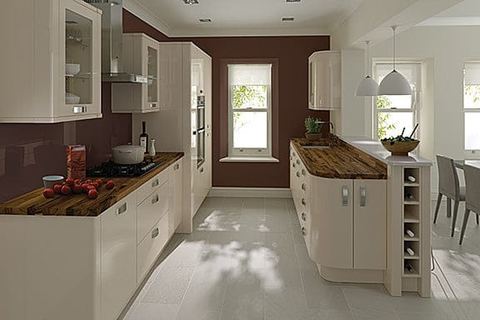
Galley kitchens are a common type of kitchen, especially in terraced homes or Victorian or period properties. Typically, a galley kitchen will have cabinets lining two walls, with a fairly narrow floor space in between. While this can be set up for a practical cooking environment, it can be difficult to create space for seating, and enjoying your kitchen as a room in your home. But, its not impossible to add seating in a galley kitchen. In fact, there are several different things you could try.
What are the options when choosing galley kitchen seating?
Although galley kitchens tend to be narrow, they can often be quite long, which opens up more design possibilities than you might initially expect. By making use of unused or underutilised areas, you can create seating that feels natural within the space rather than forced. Why not try:
- Using a partial run of cabinetry: One effective option is to reduce the length of cabinetry along one wall. Instead of running units from end to end, you could opt to finish them halfway along the kitchen. This immediately frees up valuable floor space, which can then be used for a compact dining table, a built-in corner seating area, or a small breakfast setup. This approach works particularly well in slightly longer galley kitchens where every section of wall does not need to be dedicated to storage.
- Adding a built-in bench or banquette seating: Built-in seating is a highly practical and stylish solution for galley kitchens. By removing lower cabinets along one wall, you can install a bench-style seat that fits neatly against the wall. This can be designed as a small two-person nook or extended further to accommodate a family. To make this work effectively, upper cabinets may need to be adjusted or removed in that section to maintain balance and avoid a cramped feel. This type of seating is especially effective at the end of a galley kitchen, where space might otherwise be underused.
- A compact breakfast bar solution: If space is limited and storage is a priority, a simple breakfast bar extension can be an ideal compromise. Extending the worktop slightly along one side of the kitchen creates a small seating area suitable for one or two people. This is perfect for quick meals, morning coffee, or informal dining. It also maintains the streamlined flow of a galley kitchen while still introducing a sociable element.
- **Using the end wall for seating: **In many galley kitchens, the end wall is often overlooked, but it can provide an excellent opportunity for seating. By placing a small table and chairs, or a fitted bench arrangement against this wall, you can create a dedicated dining space that does not interfere with the main cooking corridor. This helps to separate preparation and dining zones while still keeping everything within one cohesive layout.
- Maximising natural light and openness: When introducing seating into a galley kitchen, it is important to consider how light and space interact. Galley kitchens can sometimes feel enclosed, so choosing lighter colours, reflective surfaces, and well-placed lighting can help keep the space open and inviting. Adding seating near a window, where possible, can also help create a more pleasant and relaxed dining environment.
- Maintaining flow and functionality: the key to successfully adding seating in a galley kitchen is ensuring that movement through the space is not restricted. Careful planning is essential to maintain a clear walkway between the two sides of the kitchen. Slimline furniture, foldable seating, or integrated designs can all help ensure the kitchen remains practical for everyday cooking while still offering a comfortable place to sit and dine.
For more information or advice, get in touch with the experts today, here at Homematas. We are the number one choice for kitchens in Preston and you can take a look at our range in our Preston kitchens showroom, or online today?