
 Special Offers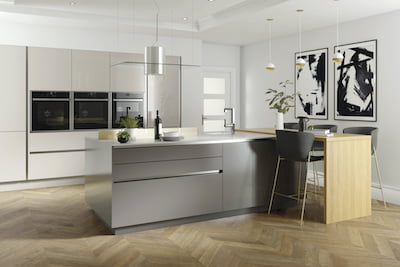


Open plan kitchens are popular in modern homes because they create a sense of space, encourage social interaction, and allow natural light to flow more freely. However, without careful planning, an open layout can quickly become cluttered or inefficient. So how can you maximise space in an open plan kitchen?
Define zones within the space
One of the most effective ways to manage an open plan kitchen is to divide the room into clear functional zones. Even though there are no walls separating areas, you can still establish distinct spaces for cooking, dining, and relaxing.
You might place the kitchen units along one wall, position a dining table nearby, and arrange seating further into the living area. Rugs, lighting, and furniture placement can subtly mark these zones without disrupting the open feel of the room.
By defining areas within the space, you create structure and ensure that each part of the room serves a clear purpose.
Use a kitchen island as a divider
A kitchen island is particularly useful in open plan layouts because it can act as a natural boundary between the kitchen and the rest of the living area. Instead of installing a wall or partition, the island provides a practical transition point.
You can use the island for food preparation, casual dining, or storage while also maintaining a visual connection with the surrounding space. In many homes, the island becomes the centrepiece of the room, offering both function and social interaction.
Choose integrated appliances
Integrated appliances are a simple but effective way to maintain a streamlined look in an open plan kitchen. Built-in ovens, concealed dishwashers, and panelled refrigerators blend into the cabinetry, reducing visual clutter.
Because open plan kitchens are visible from living and dining areas, it is important that the design feels cohesive and tidy. Integrated appliances help achieve this by keeping the focus on clean lines and consistent materials.
Maximise vertical storage
When floor space is limited, vertical storage can make a significant difference. Tall cabinets that extend to the ceiling allow you to use every available inch while reducing the need for additional furniture elsewhere in the room.
You can store less frequently used items in higher cabinets and keep everyday essentials within easy reach. This strategy helps maintain a tidy environment while ensuring that everything has a dedicated place.
In an open plan setting, tall cabinetry can also frame the kitchen area and create a visual anchor within the wider room.
Keep the colour palette cohesive
A consistent colour palette can make an open plan kitchen feel more spacious. When the kitchen cabinets, walls, and surrounding living areas share complementary tones, the room feels unified and cohesive.
Neutral shades such as soft greys, warm whites, and natural wood finishes are often used because they reflect light and create a calm atmosphere. You can still introduce personality through textures, accent colours, or decorative features without overwhelming the space.
Maintain clear walkways
In an open plan kitchen, it is essential to keep pathways unobstructed. The layout should allow you to move comfortably between the kitchen, dining area, and living space without navigating around furniture or appliances.
As a general guideline, leaving adequate clearance around islands, tables, and seating areas helps the room feel more spacious and practical.
Creating a balanced open plan kitchen
By defining zones, incorporating smart storage, and choosing cohesive colours, you can design a space that works efficiently while still feeling open and welcoming. With careful planning, your open plan kitchen can become a comfortable and versatile environment that supports everyday living as well as entertaining.
For more information or advice, get in touch with the team today, here at Homematas. We are the number one choice for kitchens in Preston and you can take a look at our range in our Preston kitchens showroom, or online today?